AZAL
AZAL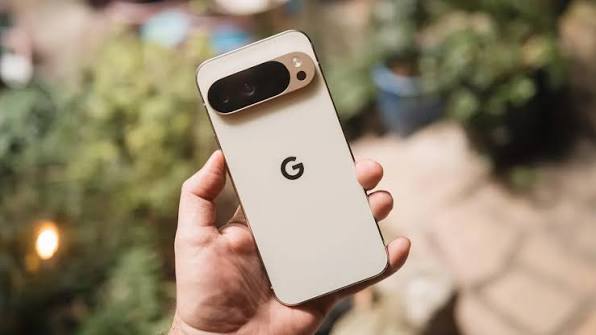
Google has updated the way Android device backups are counted against users’ cloud storage, with additional categories of backup data now contributing to the storage space used in each Google account.
The change gives users more comprehensive backups while also providing new controls to better manage storage consumption.
More Backup Data Will Count Toward Cloud Storage
Previously, Android backups primarily counted data such as Google Photos content, app data, and MMS messages toward a user’s cloud storage quota.
System settings, text messages (SMS), and call history were backed up without contributing to the storage total.
Starting now, Google will include these additional backup categories as part of the storage calculation, increasing the average backup size by approximately 40MB, according to the company.
New Backup Controls Give Users Greater Flexibility
Alongside the storage changes, Google is introducing new backup management options that allow users to choose exactly what is included in their cloud backups.
Users will be able to:
- Exclude data from selected applications.
- Disable backups for SMS messages.
- Turn off MMS message backups.
- Exclude call history from cloud backups.
These options are designed to help users reduce storage usage while maintaining backups for their most important data.
Rollout Begins with Pixel Devices
Google says the new backup experience will roll out gradually over the coming weeks through software updates for supported Android devices.
The rollout will begin with Pixel smartphones, including the upcoming Pixel 10 series, before expanding to additional compatible Android devices.
Google One Storage Plans
Google continues to provide 15GB of free cloud storage for every account.
Users who require additional capacity can subscribe to Google One, with plans starting at 100GB for $1.99 per month and extending to 2TB, which also includes additional AI-powered features and premium services.
Vexiora Analysis
Google’s updated backup policy reflects the growing amount of personal data stored on modern smartphones and the increasing importance of comprehensive cloud backups. While the additional storage usage is relatively small for most users, the change makes cloud storage calculations more transparent and gives users greater visibility into what occupies their available space.
By introducing more granular backup controls, Google is also addressing a long-standing user request for better storage management. As Android devices continue to accumulate larger amounts of personal data, offering flexible backup options may help users balance data protection with limited cloud storage capacity.