AZAL
AZAL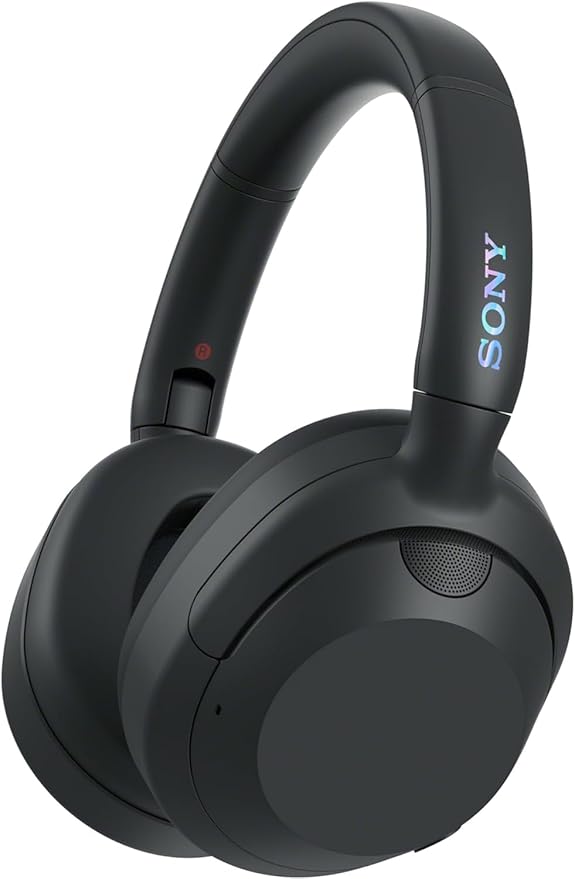
A developer named Nicholas Slattery has found a way to transform selected Sony headphones into real-time head-tracking devices, allowing users to control camera movement in hundreds of PC simulation games without purchasing dedicated tracking hardware.
The project takes advantage of motion sensors already built into compatible Sony headphones, unlocking capabilities that are typically used only for spatial audio experiences.
Built-In Motion Sensors Power the Experience
Many modern headphones include accelerometers and gyroscopes to support spatial audio, which relies on accurate head-position tracking to create a more immersive listening experience.
Slattery’s project, called Sony Head Tracker, repurposes these onboard sensors to deliver real-time head tracking for gaming applications.
Compatible with More Than 200 PC Games
The software acts as a bridge between compatible Sony headphones and OpenTrack, a popular head-tracking application that supports more than 200 PC games.
Compatible titles include Microsoft Flight Simulator, Assetto Corsa, and numerous other racing and flight simulators that benefit from natural head movement during gameplay.
Because Windows does not natively support Sony’s Android Head Tracker protocol, the project provides the missing compatibility layer needed to enable the feature.
Supported Sony Headphones
The project currently supports several of Sony’s premium headphone models, including:
- WH-1000XM6
- WF-1000XM6
- WH-1000XM5
- WF-1000XM5
- ULT WEAR (WH-ULT900N)
These models include the hardware required for Sony’s spatial audio functionality, making them compatible with the head-tracking solution.
Apple Headphones Not Supported
The developer notes that Apple headphones cannot be used with the project because they rely on Apple’s proprietary motion-tracking protocol, which is not supported by Windows.
Vexiora Analysis
The Sony Head Tracker project demonstrates how existing hardware can gain entirely new capabilities through software innovation. By repurposing motion sensors originally designed for spatial audio, the project enables simulation enthusiasts to enjoy immersive head tracking without investing in dedicated accessories.
As PC gaming increasingly embraces open-source tools and community-driven development, projects like this highlight the untapped potential of modern consumer devices. If similar solutions expand to support more hardware brands and operating systems, advanced gaming features could become accessible to a much broader audience at little or no additional cost.