AZAL
AZAL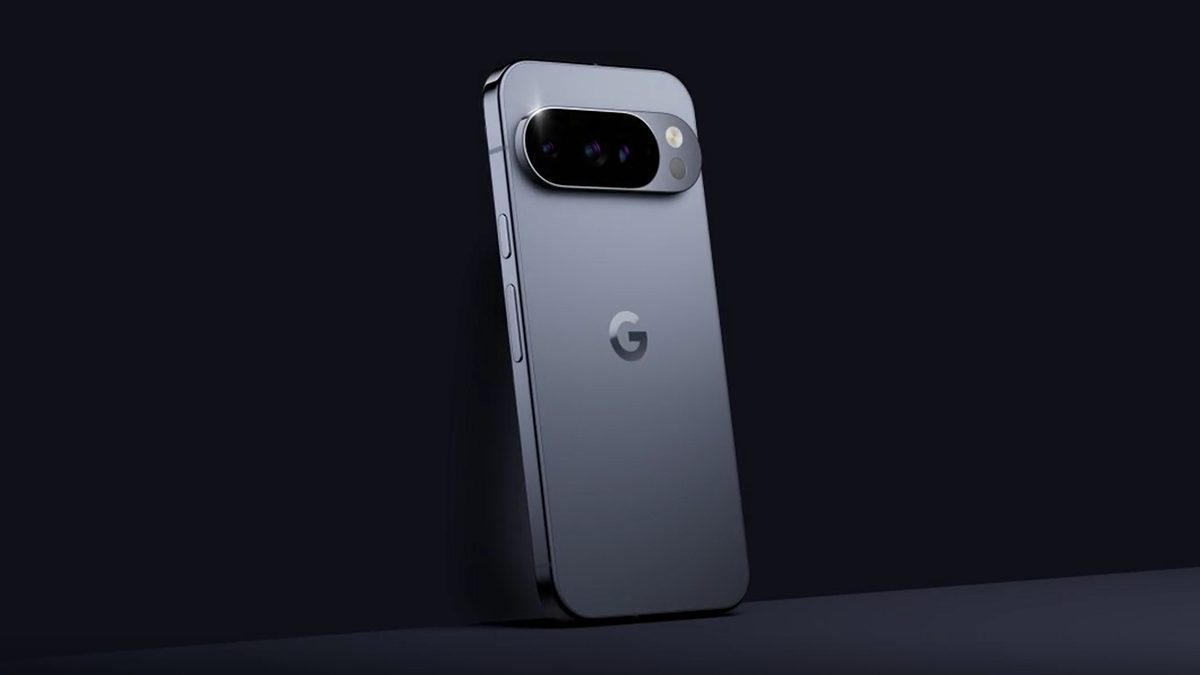
Google has officially confirmed the launch date for its upcoming Pixel 11 lineup, announcing that its next hardware event will take place on August 12 in New York City, ending speculation that the announcement would be held a day earlier.
The confirmation comes just hours after rumors suggested the event would be scheduled for August 11.
Official Invitation Confirms Event Details
The launch date was confirmed after Bloomberg journalist Mark Gurman received an official invitation from Google to attend the event.
According to the invitation, the presentation is scheduled to begin at 6:00 PM local time in New York, where Google is expected to unveil its next generation of Pixel devices and potentially additional hardware products.
Pixel 11 Pricing Leaks
Recent leaks indicate that both the Pixel 11 and Pixel 11 Pro will launch in Europe with 256GB of base storage while maintaining the same pricing as the equivalent storage configurations in the previous generation.
However, the situation appears different for Google’s premium models.
According to the latest reports, the Pixel 11 Pro XL and Pixel 11 Pro Fold could see a €100 price increase across all storage variants. Similar pricing adjustments may also reach other global markets, although Google has not officially confirmed regional pricing.
More Details Expected at Launch
Google is expected to reveal the complete specifications, pricing, regional availability, and preorder schedule for the Pixel 11 series during the August 12 event.
Until then, pricing details and hardware specifications beyond Google’s official announcement remain based on leaks and industry reports.
Vexiora Analysis
Google’s decision to officially confirm the Pixel 11 launch date quickly after recent rumors demonstrates the company’s effort to control the product announcement cycle and reduce speculation ahead of one of its most important hardware events of the year.
If current pricing leaks prove accurate, Google appears to be maintaining competitive pricing for its mainstream Pixel models while positioning its foldable and ultra-premium devices at higher price points. This strategy could reflect increasing production costs as well as Google’s continued investment in advanced AI capabilities and premium hardware across the Pixel ecosystem.