AZAL
AZAL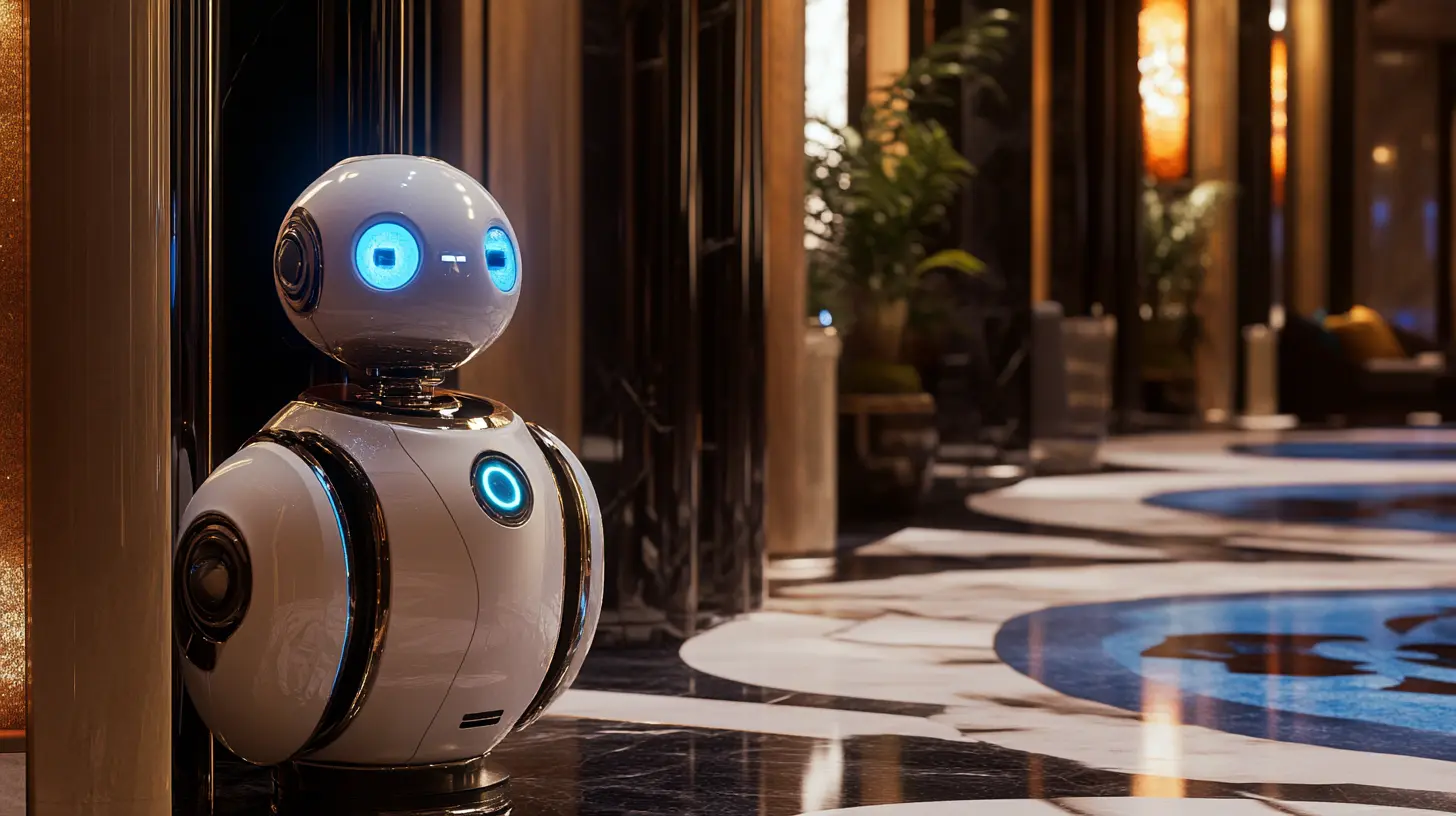
Pudu Robotics has announced plans to build what it describes as the world’s first hotel operated almost entirely by robots powered by Embodied AI, marking a major step toward the future of intelligent hospitality.
The project aims to create a hotel where interconnected robots handle nearly every stage of the guest experience, from check-in and room service to luggage delivery, cleaning, and customer assistance.
A Hotel Powered by Collaborative Robots
According to Pudu Robotics, the hotel will rely on an integrated robotic ecosystem rather than individual standalone machines. Multiple types of service robots will work together through a unified AI platform, allowing them to share information, coordinate tasks, and operate as a single intelligent workforce.
The project is being developed in partnership with Shenzhen Culture & Tourism Industry Development Co., Ltd. and will be located on the western artificial island of the Shenzhen–Zhongshan Link, one of the largest infrastructure developments in China’s Greater Bay Area.
Embodied AI at the Core
Instead of following fixed commands, the hotel’s robots will be powered by Embodied AI, an emerging field of artificial intelligence that enables machines to perceive their surroundings, understand complex environments, and make autonomous decisions in real time.
The system will be driven by PuduFM 1.0 and the company’s PuduAgent platform, enabling different robot models to collaborate through a shared knowledge base despite performing completely different tasks.
According to the company:
- Reception robots will recognize gestures and interact naturally with guests.
- Delivery robots will navigate the hotel independently and optimize their routes.
- Cleaning robots will adapt to changing environments and determine the most efficient cleaning methods without human intervention.
Advanced AI Technologies Behind the Project
The platform combines computer vision, natural language understanding, and autonomous motion planning to create intelligent service robots capable of operating in dynamic environments.
It also incorporates World Models, an AI technology inspired by autonomous driving systems that allows robots to build digital representations of their surroundings, predict environmental changes, and make more informed decisions while performing tasks.
Live Demonstration Showcases Multiple Robot Roles
During the partnership announcement, Pudu Robotics demonstrated how several of its robots will operate inside the future hotel.
Among the highlights:
- FlashBot processed drink orders and completed autonomous deliveries.
- PUDU T300 transported heavy luggage weighing up to 300 kg while interacting automatically with elevators.
- PUDU CC1 Pro and PUDU MT1 performed live floor-cleaning demonstrations using intelligent waste detection technologies.
- BellaBot Pro served coffee while interacting with guests through voice and lighting effects.
- KettyBot Pro delivered snacks and beverages while displaying event information on its digital screens.
- The quadruped robot PUDU D5 entertained attendees, showcasing how future hospitality robots could combine operational tasks with interactive guest experiences.
Project Timeline
According to Pudu Robotics, development will continue in multiple phases through 2030, with additional AI capabilities and robotic services introduced over time.
The company expects to launch a pilot operation later this year, allowing visitors to experience selected hotel rooms and services where robots perform much of the guest journey—from smart check-in to autonomous in-room delivery.
Vexiora Analysis
The project represents more than an experiment in hospitality automation—it reflects the rapid evolution of embodied AI from research laboratories into real-world commercial environments. By enabling multiple robots to communicate, coordinate, and make autonomous decisions, Pudu Robotics is demonstrating how AI-powered machines could reshape service industries beyond manufacturing.
If successful, the robot-operated hotel could become a model for future smart hotels worldwide, particularly in regions facing labor shortages or seeking highly automated customer experiences. While human staff are unlikely to disappear entirely, projects like this suggest that collaborative AI-powered robotics may play an increasingly central role in the hospitality industry over the coming decade.