AZAL
AZAL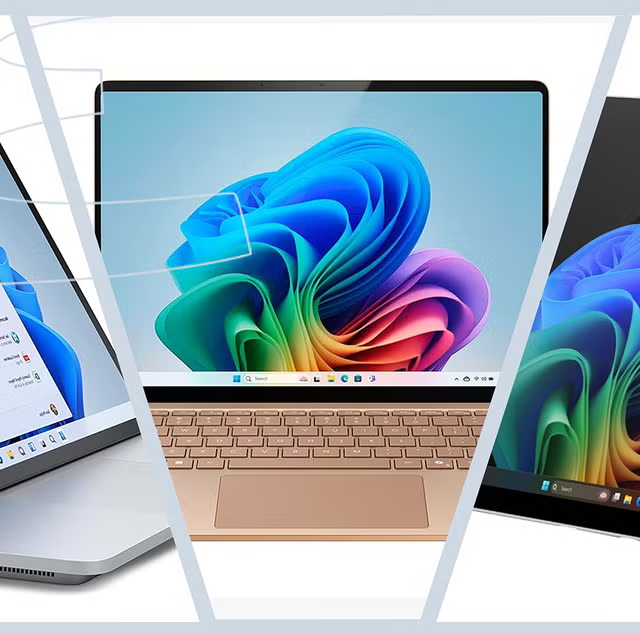
Microsoft has continued to rely on Qualcomm Snapdragon X processors for its consumer-focused Surface devices since mid-2024. However, the transition to Windows on ARM has not delivered the experience many users expected, with compatibility issues affecting some Windows applications and accessories. As a result, a number of customers reportedly returned their devices.
At the same time, Microsoft has continued offering Intel-powered Surface models for business customers. These versions generally provide better compatibility and performance while also including additional features, such as 5G support on selected Surface Pro models.
With the arrival of the second generation of Snapdragon X processors, Microsoft has maintained the same strategy. Consumer Surface devices remain limited to ARM-based processors, while business customers can choose between Qualcomm Snapdragon X and the latest Intel Panther Lake processors.
The difference is even more noticeable with the Surface Laptop lineup. Business models powered by Intel Core Ultra processors include the more powerful Intel Arc B390 graphics, delivering stronger graphics performance and better gaming capabilities than Snapdragon-based versions.
Critics argue that Microsoft’s current strategy prevents individual consumers from accessing the highest-performing Surface configurations. While business editions offer better hardware, they are typically sold at higher prices and rarely receive significant discounts. Meanwhile, Snapdragon-powered consumer models often see price reductions, making Intel-based Surface devices less accessible despite their superior performance.
Vexiora Analysis
Microsoft’s Surface strategy highlights the company’s growing confidence in Windows on ARM, but it also exposes a clear divide between consumer and business offerings. By reserving Intel-powered configurations for enterprise customers, Microsoft is effectively limiting access to the most compatible and highest-performing Surface devices for everyday consumers.
Although Snapdragon X processors deliver impressive battery life and AI capabilities, software compatibility remains one of the biggest challenges for Windows on ARM. Many users still rely on legacy Windows applications and peripherals that perform better on x86 hardware, making Intel-based Surface models the more practical choice for a broader audience.
If Microsoft continues separating consumer and business hardware in this way, it risks frustrating enthusiasts and professional users who want the best Surface experience without paying enterprise pricing. Offering Intel and Snapdragon options to all customers could create a more balanced lineup while improving the overall appeal of the Surface brand.